
Christmas Card Ideas for Adults
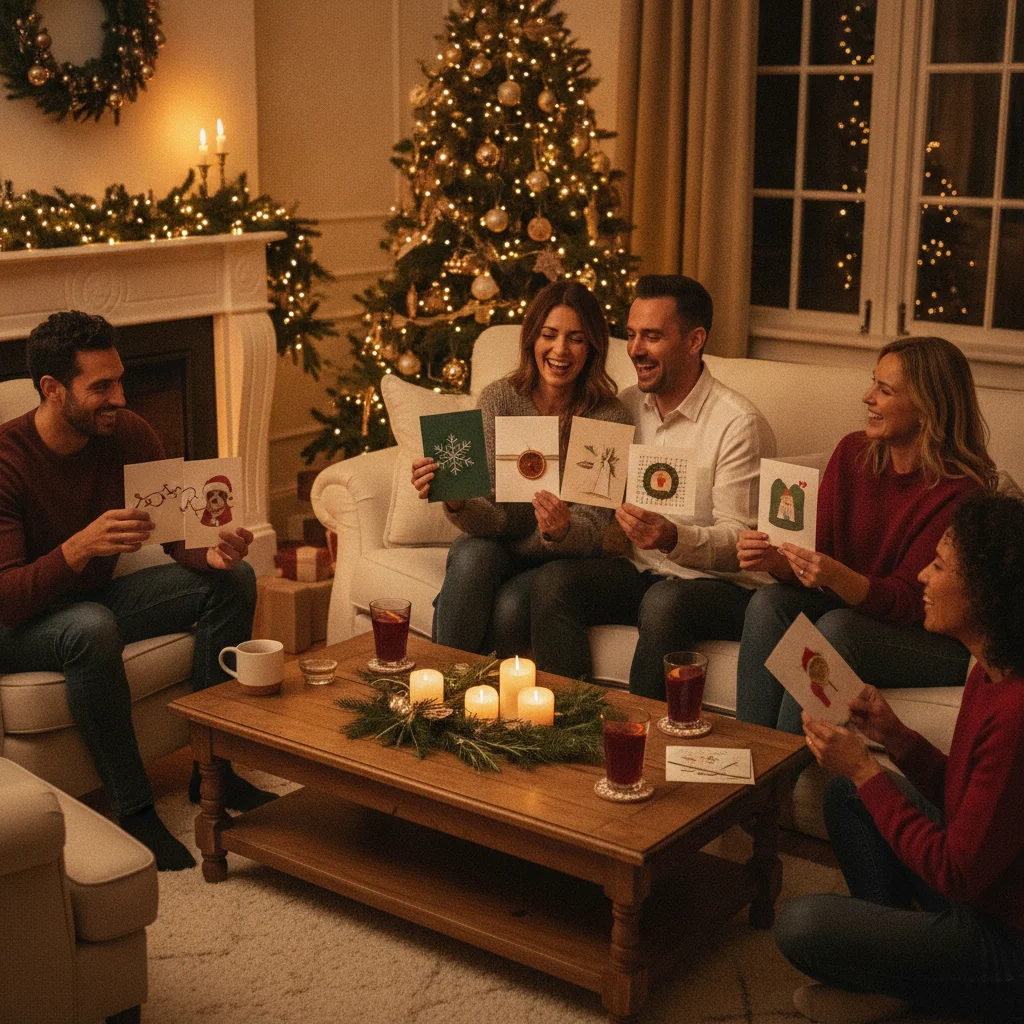
Quick answer: The best Christmas card ideas for adults reflect the recipient and your relationship. Try an elegant minimalist design, a candid photo card, a handwritten memory, subtle humor, a romantic message, or a handmade keepsake. Personal details such as an inside joke, shared milestone, or sincere wish make even a simple card feel thoughtful.
Adult Christmas cards can be refined, funny, romantic, nostalgic, or deeply personal. The right approach depends less on age and more on the relationship between the sender and recipient.
A good card combines an appropriate design with a specific message. Rather than relying only on a printed greeting, add one or two sentences that sound like something you would genuinely say.
How do you choose a Christmas card idea for an adult?
Start by considering the recipient’s personality, your relationship, and the tone they are likely to appreciate. A close friend may enjoy an inside joke, while a colleague may prefer a polished seasonal greeting.
Think about what defined the recipient’s year. A new home, career change, trip, wedding, retirement, or family milestone can provide a natural theme. If the year was difficult, use gentle and supportive language rather than forced cheerfulness.
- For close friends: Use humor, memories, or a candid photograph.
- For a partner: Focus on gratitude, affection, and shared traditions.
- For relatives: Include family news, nostalgia, or a favorite holiday memory.
- For colleagues: Choose simple artwork and a warm but professional message.
Which Christmas card styles work well for adults?
| Card style | Best for | Creative direction |
|---|---|---|
| Minimalist | Colleagues and design-conscious friends | Neutral colors, clean typography, and one seasonal symbol |
| Photo card | Friends, couples, and relatives | A candid portrait, travel image, pet photo, or year-in-review collage |
| Funny card | Close friends and siblings | Dry humor, an inside joke, or a light comment about adult holiday stress |
| Handmade card | Parents, partners, and sentimental recipients | Watercolor, paper cutouts, pressed greenery, or simple line art |
| Experience-themed card | Partners and close family | Pair the greeting with plans for dinner, a concert, or a winter outing |
What are some creative Christmas card formats?
A traditional folded card is not the only option. A postcard can suit a travel photograph or concise greeting. An accordion card offers room for several photos, while a recipe card can share a favorite holiday drink, dessert, or family dish.
Other useful formats include a bookmark card, a small calendar, or an ornament-shaped keepsake. Digital cards can feature animation, music, or a short video message, but the recipient should be comfortable opening digital greetings.
What can you write in an adult Christmas card?
Keep the message specific and natural. Mention something you appreciated about the person, recall a shared moment, or express a realistic hope for the coming months.
- “I’m grateful for every coffee, conversation, and laugh we shared this year.”
- “Christmas is better with you beside me, even when the wrapping gets chaotic.”
- “Wishing you quiet mornings, good food, and plenty of time with people you love.”
- “Your support meant more than I managed to say this year. Thank you.”
- “Here’s to another holiday season of pretending we planned everything early.”
For professional contacts, write a brief note such as, “Thank you for your support and collaboration. Wishing you a restful Christmas and a positive start to the new year.”
How can you make an adult Christmas card more personal?
Personalization does not require an elaborate design. A handwritten note, meaningful photograph, or reference to a shared experience can turn a basic card into a keepsake.
You can also adapt the card to the recipient’s interests. Use botanical artwork for a gardener, a bookish theme for a reader, or an illustrated skyline for someone who moved. Couples may recreate an early photograph or highlight a favorite moment from the year.
Which ideas suit groups and families?
Group cards work best when every contributor adds something distinct. Ask family members or coworkers to write one short memory, compliment, or wish rather than signing their names without context.
A family photo card can avoid feeling formal by using candid images from ordinary life. A collage of meals, walks, pets, hobbies, and small celebrations often tells a more honest story than a single posed portrait.
For a group project, create a “12 reasons we appreciate you” card, a miniature memory booklet, or a foldout timeline of shared events.
What limitations should you consider?
Humor can be misread, especially when it concerns age, relationships, money, religion, politics, or alcohol. Use jokes only when you know the recipient will enjoy them.
Photo cards require clear images and enough print resolution. Handmade cards may need extra postage if they are thick, rigid, or decorated with raised materials. Digital greetings can be convenient, but they may feel less personal to recipients who value handwritten mail.
Best overall approach: Choose a simple design, add one personal detail, and write a message that fits the relationship. Thoughtful wording matters more than an elaborate card.
What treating all Christmas card ideas for adults alike gets wrong
Treating every Christmas card idea for adults alike gets one thing wrong: adulthood does not create a shared taste, relationship, or holiday experience. Start by separating recipients by context—partner, colleague, neighbor, longtime friend, older relative, or someone facing a difficult season—then choose the concept and wording for that relationship. A playful illustrated card may fit a friend but feel too familiar for a manager; a romantic design belongs with a partner, not a broad household list. For bereavement, illness, or separation, skip forced cheer and acknowledge the person’s circumstances briefly without offering explanations or advice. There is no universal phrase guaranteed to feel appropriate, so use what you genuinely know about the recipient. When you know little, choose neutral seasonal language and add one specific, truthful sentence about your connection.
Which design choices make an adult Christmas card feel wrong?
Adult Christmas cards often feel wrong when the design infantilizes the recipient, relies on sexual or alcohol jokes, or treats every adult as a spouse, parent, or homeowner. This section helps friends and relatives choosing cards for independent adults, couples, or mixed social groups. New parents should ignore it when the card doubles as a birth announcement; clients need professional etiquette instead. Interfaith families should use guidance centered on their actual celebrations, while renters may want address-update advice rather than homeownership imagery. Teachers receiving cards from students also need school-appropriate boundaries. For the intended audience, skip babyish cartoons, status-based jokes, cluttered novelty effects, and captions that assume drinking, dating, children, or a detached house. Choose visual restraint without making the card cold or corporate.
Frequently asked questions
What is a classy Christmas card idea for an adult?
Use a restrained color palette, quality paper, clean typography, and a short handwritten message. Botanical illustrations, winter landscapes, and simple metallic details work well.
How do you make a Christmas card funny without being offensive?
Use shared experiences, mild self-deprecation, or familiar holiday frustrations. Avoid jokes about sensitive personal traits or circumstances.
What should I write in a Christmas card to a close friend?
Mention a favorite shared memory and say what you appreciate about the friendship. A short inside joke can add warmth when the recipient will understand it.
Are photo Christmas cards appropriate for adults?
Photo cards are appropriate for adults when the image feels relevant and natural. Travel photos, pet portraits, candid couple pictures, and small year-in-review collages are useful choices.
What can couples put on a Christmas card?
Couples can use a favorite photograph, recreate an early picture, or highlight meaningful moments from the year. The message can focus on gratitude, partnership, or a shared holiday tradition.
How can I make a handmade adult Christmas card?
Try watercolor greenery, block printing, paper cutouts, embroidery, or a simple ink illustration. Keep bulky decorations to a minimum if the card will be mailed.
Is a digital Christmas card suitable for an adult recipient?
A digital card suits recipients who regularly use email or messaging apps. Add a personal note, voice recording, or short video so the greeting does not feel generic.
Should Christmas cards for adults be serious or playful?
They can be either; the right tone depends on the recipient and your relationship. Use playful humor when you share that style and know the joke will land. Choose a calmer tone for professional contacts, newer acquaintances, or people whose current circumstances make exuberant humor feel misplaced. Personal relevance matters more than formality.
How do I adapt an adult Christmas card for someone having a difficult year?
Acknowledge the difficulty briefly, then offer care without predicting improvement or demanding positivity. You might say you are thinking of them this season and value having them in your life. Avoid explaining their experience, giving advice, or centering your own feelings. If you are unsure what they welcome, a short, sincere note is enough.
What should you avoid on a Christmas card for an adult?
Avoid designs that assume the recipient drinks, has children, owns a home, or shares your sense of risqué humor. Childlike cartoons can also feel mismatched unless they reference a known interest or shared joke. Favor one clear visual idea, readable type, and wording that reflects the actual relationship rather than a generic image of adulthood.