
Encouraging Christmas Card Ideas for Someone Starting Chemotherapy
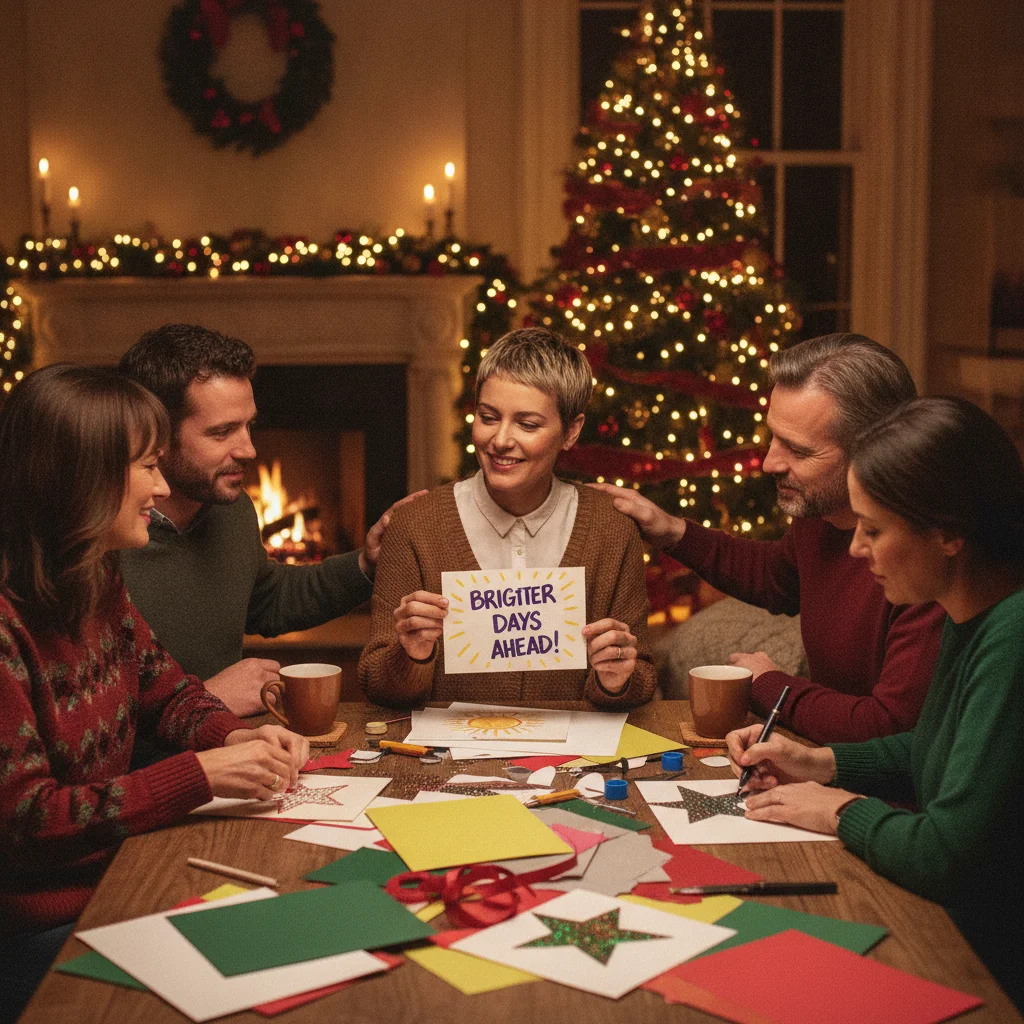
Quick answer: Write a Christmas card that acknowledges the difficult timing without letting cancer define the entire message. Express care, remove any pressure to reply, and offer specific support if you can provide it. Avoid promising a positive outcome or insisting that the recipient stay strong. A short, sincere message is often the most comforting choice.
How should a Christmas card for someone starting chemotherapy sound?
A Christmas card for someone starting chemotherapy should sound caring, calm, and sincere. The best message recognizes that this Christmas may feel different while reminding the recipient that they are loved as a whole person, not viewed only as a patient.
You do not need to find perfect words or make the situation feel better. A simple expression of love, companionship, or practical support can mean more than a long attempt to sound inspirational.
Follow the recipient's lead when deciding whether to mention cancer directly. If the person has spoken openly about treatment, a gentle acknowledgment may feel natural. If the diagnosis is private or you are not close, keep the reference more general.
What can you write to acknowledge the start of chemotherapy?
These Christmas card ideas acknowledge treatment without making predictions or giving medical advice:
- Thinking of you as you begin treatment and sending you so much love this Christmas.
- I know this is not the Christmas season you expected. I am holding you close in my thoughts.
- Sending love for the days ahead, one day at a time. There is no need to reply.
- As treatment begins, please remember that you do not have to face every difficult day alone.
- I wish I could take some of this uncertainty away. I can listen whenever you want to talk.
- You are surrounded by people who care about you, including me.
- I am thinking of you this Christmas and hoping treatment days bring plenty of rest and good care.
- No pressure to be festive. I am simply sending love and letting you know I am here.
Which Christmas messages suit different relationships?
The right wording depends on how well you know the recipient. Personal messages usually feel warmer than formal ones, but even a brief note can communicate genuine care.
| Relationship | Example Christmas message |
|---|---|
| Close friend | This Christmas may be complicated, but our friendship is not. I love you, and I am beside you through treatment. |
| Family member | Home, Christmas, and family all feel more meaningful because you are part of them. We will take the coming days together. |
| Colleague | Thinking of you as treatment begins and wishing you comfort this Christmas. Everyone at work is rooting for you, with no pressure to respond. |
| Neighbor | Sending warm Christmas wishes and letting you know I am nearby if errands or meals would help. |
| Acquaintance | Wishing you peace, comfort, and caring support throughout Christmas and the weeks ahead. |
Can a Christmas card still include warmth or humor?
A serious diagnosis does not erase the recipient's personality. If you normally share jokes, memories, faith, or family traditions, those elements may still belong in the card. Familiarity can provide a welcome sense of normal life.
Use humor only when you know the recipient will appreciate it. Avoid jokes about appearance, hair loss, weight, hospitals, survival, or chemotherapy side effects unless the person has clearly invited that kind of humor.
You can also mention a small shared memory: “I keep thinking about our disastrous Christmas cookies last year. I hope we can create another questionable batch whenever you feel ready.” This keeps the person, rather than the illness, at the center of the message.
How can you offer meaningful support in the card?
General statements such as “Let me know if you need anything” are kind, but treatment can make it difficult to identify and request help. A specific, low-pressure offer is easier to accept.
- I can bring dinner on Tuesday or Thursday. You can choose, decline, or ignore this message without explanation.
- I would be glad to drive you to an appointment if that would be useful.
- I can walk the dog, collect groceries, or handle a pharmacy pickup.
- I will check in next week, but you never need to reply when you are tired.
- I can sit with you quietly, watch a film, or talk about anything except treatment.
Only offer support that you can reliably provide. Consistent, modest help is more valuable than a sweeping promise that may be difficult to keep.
What phrases should you avoid?
Avoid telling the recipient to “stay positive,” “be strong,” or “fight hard.” These phrases can imply that the outcome depends on attitude or effort. Chemotherapy may bring fear, exhaustion, anger, and sadness, and the recipient should not have to hide those feelings.
Do not promise that everything will be fine, compare diagnoses, share frightening treatment stories, recommend unrequested remedies, or describe cancer as part of a divine plan. Keep the focus on listening and caring rather than explaining the illness.
What are the limitations of a Christmas card message?
A card cannot remove uncertainty, replace practical help, or meet medical and emotional care needs. It can, however, remind someone that support remains available after the first wave of messages fades.
Respect privacy, especially in group cards and public greetings. If you are unsure what the recipient has disclosed, do not name the diagnosis or treatment. A private message such as “I am thinking of you during a difficult time” protects confidentiality while still expressing care.
The strongest Christmas card message is honest and undemanding: acknowledge the difficult moment, express lasting care, and give the recipient permission to experience the season in whatever way feels manageable.
What should a Christmas card for someone starting chemotherapy never assume or demand?
A Christmas card for someone starting chemotherapy should never assume a positive outcome or demand optimism, updates, gratitude, or a response. Avoid predicting that treatment will be easy, successful, or finished by a certain date. Do not instruct the recipient to fight, stay strong, or enjoy the holidays despite everything. Such wording can turn encouragement into an obligation.
Keep decisions about disclosure with the recipient; the card should not ask them to explain their diagnosis, treatment plan, side effects, or prognosis. Offers of help should also leave room for refusal rather than assigning plans or requesting immediate coordination. No single message can account for how a person feels about cancer language, faith, humor, or Christmas. When uncertain, center the note on steady care and companionship without requiring emotional work in return.
Frequently asked questions
Should a Christmas card mention chemotherapy directly?
A card can mention chemotherapy when the recipient has discussed treatment openly and the wording feels natural. Use a general expression of care if the diagnosis is private or you are unsure.
Is it appropriate to say Merry Christmas to someone with cancer?
Merry Christmas is appropriate if the recipient normally celebrates Christmas. Adding a gentle acknowledgment that the season may feel different can make the greeting more considerate.
What is a short message for someone starting chemotherapy?
“Thinking of you as treatment begins and sending you love this Christmas. There is no need to reply.”
Should I tell someone with cancer to stay positive?
Avoid requiring positivity because the phrase can make normal fear or sadness feel unacceptable. Express steady support without telling the recipient how to feel.
Can I include a religious Christmas message?
A religious message is suitable when it reflects the recipient's beliefs. Avoid suggesting that illness is a test, punishment, or guaranteed path to healing.
Is humor appropriate in a chemotherapy Christmas card?
Humor can be comforting when it matches the relationship and the recipient's usual style. Avoid jokes about symptoms, appearance, survival, or treatment unless the recipient has invited them.
How can I offer help without creating pressure?
Offer one specific task and make declining easy, such as delivering a meal or handling an errand. State clearly that the recipient does not need to reply.
Can I ask for chemotherapy updates in a Christmas card?
It is usually better not to request treatment updates in the card. An update may require energy the recipient does not have or involve details they prefer to keep private. Instead, say you are available to listen whenever they want to talk, and make clear that no reply or explanation is expected.
Should I say that chemotherapy will definitely work?
No, do not promise that chemotherapy will work or predict a particular recovery timeline. Even well-meant certainty can dismiss genuine fear and create pressure to reassure others. Express hope without claiming to know the outcome, such as saying you are thinking of them, supporting them, and wishing them comfort during treatment.