
Eco-Friendly Sustainable Christmas Card Ideas
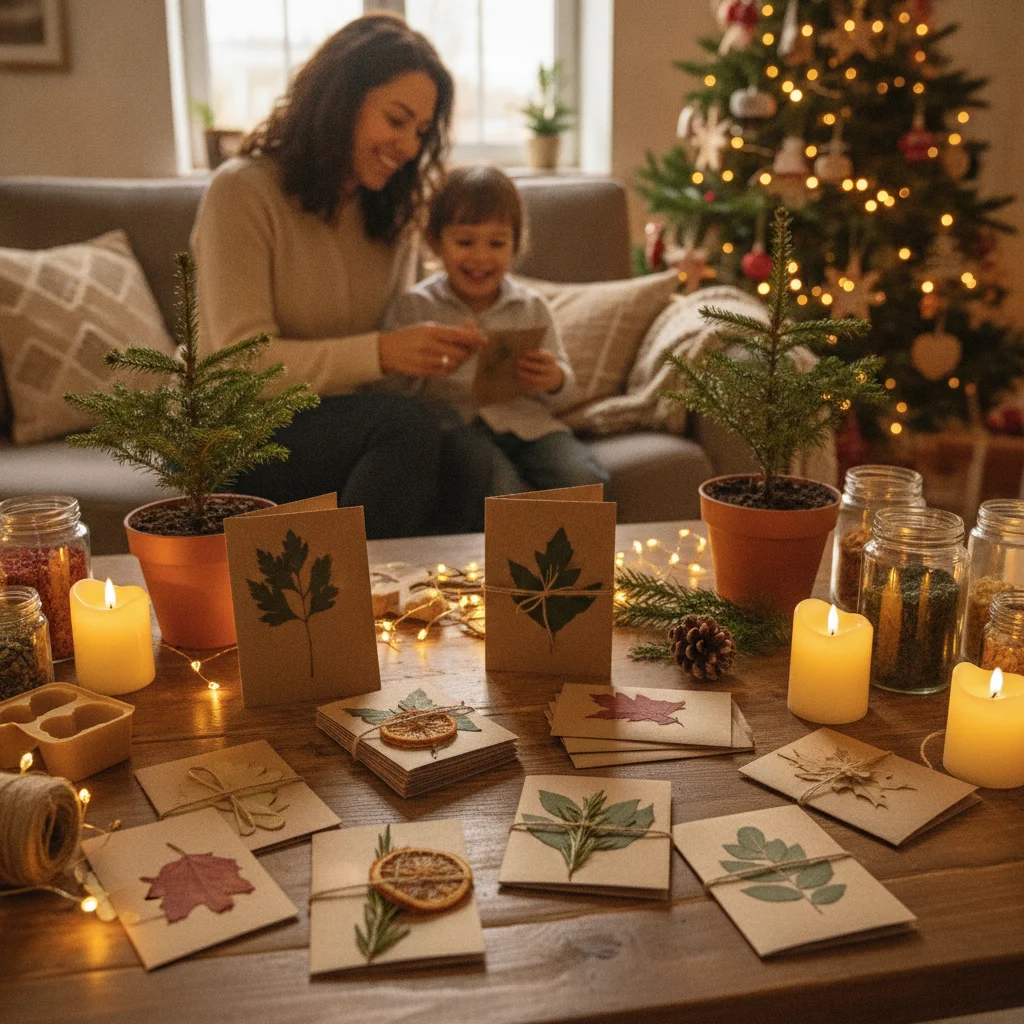
Quick answer: The most sustainable Christmas card ideas reduce materials, avoid plastic decorations, and give recipients a reason to keep or reuse the design. Good options include recycled-paper postcards, plantable seed-paper cards, reusable ornaments, digital greetings, and handmade cards created from existing supplies. Local printing and hand delivery can reduce transport impacts further.
Christmas cards can feel thoughtful without creating a large amount of short-lived waste. A sustainable design starts with fewer materials, responsible paper choices, recyclable decoration, and an appropriate delivery method.
No single card format is best in every situation. The strongest choice depends on whether the recipient prefers a physical keepsake, whether local recycling accepts the materials, and how far the greeting must travel.
Which materials work best for sustainable Christmas cards?
Recycled paper is a practical starting point because it uses existing fibers and is widely available. Look for a high percentage of post-consumer recycled content and avoid unnecessary plastic coatings.
FSC-certified paper is another useful option. FSC certification indicates that the wood fiber comes from responsibly managed sources, although certification does not make a card waste-free.
Uncoated paper is usually easier to write on and recycle than laminated, foil-covered, or glitter-coated stock. Vegetable-based inks may also be preferable when a printer offers them, but the total impact still depends on the printing process and card quantity.
- Choose recycled or responsibly sourced paper.
- Use paper envelopes without plastic windows.
- Avoid loose glitter, plastic gems, batteries, and electronic sound modules.
- Select water-based glue or minimal adhesive for handmade cards.
- Use natural twine only when it can be removed and reused.
How do different eco-conscious card formats compare?
| Card idea | Main benefit | Important consideration |
|---|---|---|
| Recycled-paper postcard | Uses less paper and needs no envelope | The message is visible during delivery |
| Plantable seed-paper card | Can be planted after reading | Seeds must suit the recipient's region |
| Reusable ornament card | Can become seasonal decor | Choose durable, plastic-free materials |
| Digital Christmas card | Avoids paper and postal delivery | Digital services still use energy |
| Upcycled handmade card | Uses materials already at home | Mixed materials may be hard to recycle |
What creative sustainable Christmas card ideas can you make?
A minimalist postcard can feature one printed illustration and a handwritten message. The postcard format reduces paper use because it does not require a folded inner panel or envelope.
A reusable ornament card combines a greeting with a flat paper, wood, or fabric decoration. Add a short note explaining that the recipient can hang the ornament next Christmas.
An upcycled collage card can use old wrapping paper, previous cards, paper shopping bags, maps, sheet music, or children's artwork. Paper-only collages are generally easier to recycle than designs containing foam, ribbon, sequins, or plastic tape.
A recipe card gives the recipient something useful to keep. Print a family biscuit recipe, festive drink, or winter meal on sturdy recycled stock and leave room for a personal note.
A calendar card can include a compact monthly calendar on the reverse. This design extends the useful life of the card beyond the holiday season.
A plantable card contains seeds embedded in biodegradable paper. Choose cards that identify the seed species and provide planting instructions. Native or non-invasive seeds are safer than unidentified mixes.
What messages suit an environmentally conscious Christmas card?
The wording does not need to focus on sustainability. A warm, specific message often gives the recipient a stronger reason to keep the card.
Suitable examples include “Wishing you a peaceful Christmas filled with good company,” “Sending warm winter wishes from our home to yours,” or “This card was made from reused paper, with plenty of new good wishes inside.”
If the card is plantable or reusable, include a simple instruction such as “Plant this card in spring” or “Keep this ornament for next year's tree.”
How can you reduce the impact of printing and delivery?
Print only the number of cards you expect to send. A small, accurate print run prevents unused cards from becoming waste.
Local printing can shorten transportation distances and make paper sourcing easier to verify. Home printing may work for a few cards, especially when the design uses little ink.
Hand delivery is sensible for neighbors, coworkers, and nearby relatives. When posting several cards, send them together rather than making separate trips to a mailbox or post office.
Digital greetings can be appropriate for distant contacts or recipients who do not keep physical cards. A simple image or short email usually requires less data than a long high-resolution video.
What limitations should you consider?
Terms such as “green,” “natural,” and “biodegradable” can be vague. Check the actual paper content, coatings, inks, adhesives, and disposal instructions rather than relying only on the label.
Recycling rules differ between communities. Foil, glitter, wax, fabric, and heavy adhesive can prevent an otherwise paper-based card from being accepted.
Plantable paper is not suitable everywhere. Seeds may fail to grow, and non-native species can cause ecological problems. Recipients may also lack a garden or suitable climate.
Digital cards are not impact-free because devices, data centers, and networks consume energy. A concise digital greeting is still a useful low-material option, particularly when it replaces international printing and postage.
The best sustainable Christmas card is one that uses modest materials, suits the recipient, and has a clear next use through recycling, planting, display, or reuse.
When do sustainable Christmas card ideas feel considered rather than generic?
Eco-friendly sustainable Christmas card ideas look considered when each low-impact choice reflects the recipient, while generic cards rely on vague green language or a kraft-paper look alone.
Choose one purposeful format and make its reason visible: a postcard for someone who saves notes, a reusable recipe card for a keen cook, or a digital greeting for a relative who prefers no keepsakes. Personalize the design with a shared winter place, a hand-drawn motif, or a short explanation of how the card can be reused.
Avoid stacking every “eco” signal—seed paper, twine, leaves, and recycling symbols—without a clear purpose. There is no universal combination that proves a card is sustainable; materials and disposal options vary. A restrained card with recipient-specific wording will usually feel more thoughtful than a heavily themed design.
Eco-friendly Christmas cards can look handmade without looking unfinished
A common myth is that eco-friendly Christmas cards must look rough or visibly improvised; in practice, clean alignment, deliberate edges, and restrained decoration make reused materials look finished. Cut recycled paper with a ruler and sharp blade, or tear every edge against the same guide for a consistent deckled effect. Limit the design to two or three coordinated materials rather than layering unrelated scraps. Center the main greeting, leave even margins, and test placement before applying adhesive. If printing, use one readable typeface and check that ink does not feather on porous stock. Small variations can signal that a card was handmade, but loose fibers, exposed glue, crooked inserts, and decorations that fall off usually read as incomplete rather than sustainable.
Frequently asked questions
What is the most environmentally friendly type of Christmas card?
A simple recycled-paper postcard is one of the strongest choices because it uses little material and needs no envelope. A concise digital greeting is also suitable when the recipient does not want a physical card.
Can Christmas cards go in household recycling?
Plain paper cards are often recyclable, but cards containing glitter, foil, batteries, plastic decorations, or heavy glue may not be accepted. Local recycling guidance should determine disposal.
Are plantable Christmas cards sustainable?
Plantable cards can reduce waste when they use suitable, clearly identified seeds and biodegradable paper. Seed species should be appropriate for the recipient's region.
How can I make Christmas cards from recycled materials?
Use old wrapping paper, paper bags, maps, previous cards, or clean cardboard as the base and decoration. Keep the finished design paper-only when possible so it remains easy to recycle.
Are digital Christmas cards better for the environment?
Digital cards avoid paper, ink, envelopes, and postal transport, but online services still consume energy. Simple images and emails generally use less data than long videos or large animated files.
What should I avoid when buying sustainable Christmas cards?
Avoid plastic lamination, loose glitter, electronic components, and decorations that cannot be removed. Vague environmental claims should be checked against specific information about paper, inks, and certification.
How can recipients reuse a Christmas card?
Recipients can turn cards into gift tags, bookmarks, ornaments, recipe cards, craft materials, or next year's decorations. A reusable design works best when the sender includes a short suggestion.
How can I personalize a sustainable Christmas card without adding waste?
Personalize it through wording, illustration, or format rather than extra decorations. Mention a shared memory, draw a place meaningful to the recipient, or turn the reverse into a recipe or seasonal checklist they might keep. If using a physical card, write directly on it instead of attaching separate tags, ribbons, or plastic embellishments.
What wording makes an eco-friendly Christmas card feel genuine?
Specific, modest wording makes an eco-friendly Christmas card feel genuine. Briefly explain a relevant choice, such as using leftover paper or sending a reusable design, without claiming the card is completely impact-free. Keep the environmental note secondary to the Christmas greeting and connect it to the recipient when appropriate.
How can I make a recycled Christmas card look professional?
Use consistent cuts, balanced spacing, and a limited color palette to give a recycled Christmas card a polished appearance. Choose scraps with compatible textures, remove damaged areas, and make a sample before assembling the full batch. A simple greeting placed accurately often looks more intentional than several uneven decorative elements.