
Can Christmas Card Wording Be Religious?
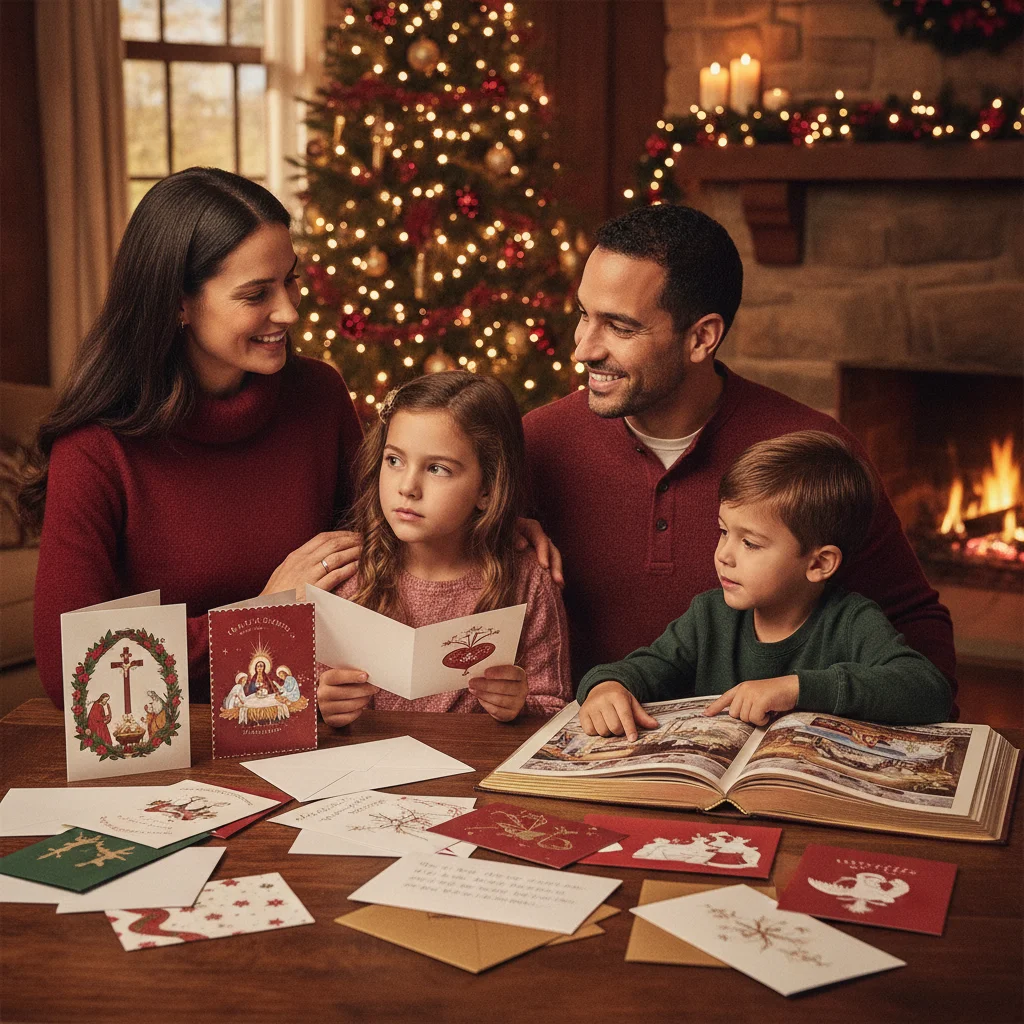
Quick answer: Christmas card wording can be religious when it reflects the sender’s beliefs and suits the recipient. Christian greetings may mention Jesus, the Nativity, God’s blessings, prayer, or a Bible verse. For recipients with different beliefs, a warm seasonal message can express your faith without assuming that the recipient shares it.
Religious wording is appropriate for many Christmas cards. Christmas is a Christian celebration of the birth of Jesus Christ, so references to faith, worship, Scripture, and the Nativity have a natural place in holiday greetings.
The best wording depends on the relationship between the sender and recipient. A message for a church friend can be openly devotional, while a card for a coworker may call for a gentler expression of faith.
Short answer: Religious Christmas card wording is acceptable. Choose language that represents your beliefs while respecting what you know about the recipient.
When is religious Christmas card wording appropriate?
Religious wording is especially suitable for family members, fellow church members, ministry leaders, and friends who share or appreciate Christian beliefs. These recipients are likely to welcome direct references to Jesus, God, prayer, and Scripture.
A faith-based message can also be sent to someone whose beliefs are unknown. In that situation, wording such as “May the peace of Christmas be with you” communicates a religious sentiment without making assumptions about the recipient.
Professional cards require additional judgment. A personal card to a Christian colleague may include a Bible verse, but a company card sent to a broad customer list usually benefits from inclusive wording.
How should you choose the right religious tone?
Start by considering how well you know the recipient. Close relationships allow for personal statements about prayer, gratitude, and shared faith. Less familiar relationships usually call for concise and welcoming language.
Consider the purpose of the card as well. A family Christmas card may celebrate blessings received during the year. A church card may focus on worship. A sympathy-related Christmas message may emphasize comfort, hope, and God’s presence.
The following guide shows how tone can change by recipient:
| Recipient | Suitable tone | Example |
|---|---|---|
| Christian family member | Personal and devotional | “May the joy of Christ’s birth fill your heart and home.” |
| Church friend | Faith-centered | “Rejoicing with you in the good news of our Savior’s birth.” |
| Friend of another faith | Warm and respectful | “Wishing you peace, love, and every blessing this Christmas season.” |
| Coworker or client | Brief and considerate | “May your Christmas be filled with peace and goodwill.” |
What religious phrases can you write in a Christmas card?
Short Christian messages work well when the printed card already contains a longer greeting. Examples include “God bless you this Christmas,” “Rejoicing in the gift of Jesus,” and “May Christ’s peace fill your home.”
A personal message can connect faith with gratitude. You might write, “We thank God for your friendship and pray that your family has a joyful Christmas.” Another option is, “Your kindness has been a blessing to us throughout the year.”
Traditional greetings can mention the Nativity directly. Suitable examples include “Celebrating the holy night when hope came into the world” and “May the wonder of Bethlehem bring you peace and joy.”
Can you include a Bible verse in a Christmas card?
A Bible verse can give a Christmas card a clear spiritual focus. Verses about the birth of Jesus, peace, hope, light, and God’s love are particularly fitting.
Common choices include Luke 2:10-11, Isaiah 9:6, Matthew 1:23, and John 1:14. If space is limited, include a brief quotation and the verse reference. Check the wording against your preferred Bible translation before writing or printing the card.
The verse should support the personal greeting rather than replace it completely. A short handwritten sentence helps the recipient understand why you selected that passage.
How can you make a religious message more inclusive?
Inclusive religious wording expresses the sender’s faith without assigning beliefs to the recipient. “May God bless you” speaks from the sender’s perspective, while “As fellow believers” assumes a shared identity.
Messages centered on peace, hope, kindness, and goodwill can retain Christian meaning while remaining comfortable for a mixed audience. You can also combine a traditional greeting with a neutral closing, such as “Celebrating the joy of Christmas and wishing your family a peaceful holiday season.”
Respectful wording does not require hiding your beliefs. It requires recognizing that recipients may understand Christmas in different cultural, personal, or religious ways.
What religious Christmas card wording should you avoid?
Avoid messages that pressure the recipient to adopt a belief, criticize other traditions, or presume knowledge of the recipient’s faith. A Christmas card should communicate care rather than start an argument.
Avoid using a solemn verse without considering its context. Some biblical passages are meaningful within a larger chapter but may sound confusing or severe when printed alone.
Generic claims about the recipient’s spiritual life can also feel impersonal. A simple, sincere blessing is usually better than exaggerated praise or language that does not match your relationship.
What limitations should you consider?
No single religious greeting is suitable for every recipient. Family customs, denominational differences, workplace policies, and personal experiences can affect how a message is received.
Bible translations also use different wording and punctuation. Verify quotations before printing multiple cards. If a recipient is grieving, ill, or experiencing hardship, avoid greetings that demand cheerfulness. Messages about comfort, remembrance, and enduring hope may be more appropriate.
When uncertainty remains, choose a warm message that reflects your faith and leaves room for the recipient’s perspective.
When Ready-Made Religious Christmas Card Wording Is Enough—and When to Add Your Own Sentence
Ready-made religious Christmas card wording is enough when it reflects your beliefs, suits the recipient, and accurately conveys what you want to say; add one original sentence when the relationship or circumstances call for a personal acknowledgment.
Use the printed message alone for acquaintances, members of a large card list, or recipients with whom you rarely correspond. Personalize it for close relatives, clergy, members of your faith community, or someone who has experienced a major joy, illness, or loss. Your added sentence can mention shared worship, gratitude for the person’s prayers, or a specific hope for the coming year. Keep it consistent with the card’s religious tone rather than switching to an unrelated joke or generic greeting. There is no universal rule for how much personalization a religious card needs; sincerity and knowledge of the recipient are the best guides.
Frequently asked questions
Is it appropriate to mention Jesus in a Christmas card?
Mentioning Jesus is appropriate in a Christian Christmas card, especially when the recipient shares or respects that faith. The wording should remain sincere and considerate.
What is a short religious Christmas card message?
“May the joy and peace of Christ be with you this Christmas” is a short religious greeting. “God bless you and your family this Christmas” is another simple option.
Can I send a religious Christmas card to a nonreligious friend?
A religious card can be sent when the message respects the friend’s perspective. Gentle language about peace, love, hope, or blessings is usually more suitable than wording that assumes shared beliefs.
Which Bible verse is best for a Christmas card?
Luke 2:10-11 is a traditional choice because it announces the birth of Jesus. Isaiah 9:6 and Matthew 1:23 are also commonly used.
Should business Christmas cards contain religious wording?
Business cards can contain religious wording when it fits the organization and intended audience. Inclusive seasonal language is often more appropriate for a broad customer or employee list.
How do I sign a religious Christmas card?
Suitable closings include “Christmas blessings,” “With joy in Christ,” and “Peace be with you.” Choose a closing that matches the tone of the main message.
Can a religious Christmas message also be humorous?
Gentle humor can work when it does not mock Scripture, worship, or the recipient’s beliefs. Keep the central expression of faith respectful.
Do I need to personalize a religious Christmas card?
You do not need to personalize every religious Christmas card. The printed wording may be sufficient for acquaintances or a broad card list, but a handwritten sentence is appropriate for close relationships. Add a specific expression of gratitude, encouragement, or shared faith rather than simply restating the card’s message.
What can I add to a prewritten religious Christmas card?
Add a brief sentence that connects the religious message to the recipient. You might express gratitude for their friendship, recall a meaningful church or family moment, acknowledge prayers or support, or offer a personal blessing for the coming year. Choose language that matches both your beliefs and the recipient’s comfort level.