
Christmas Card Messages From Kids
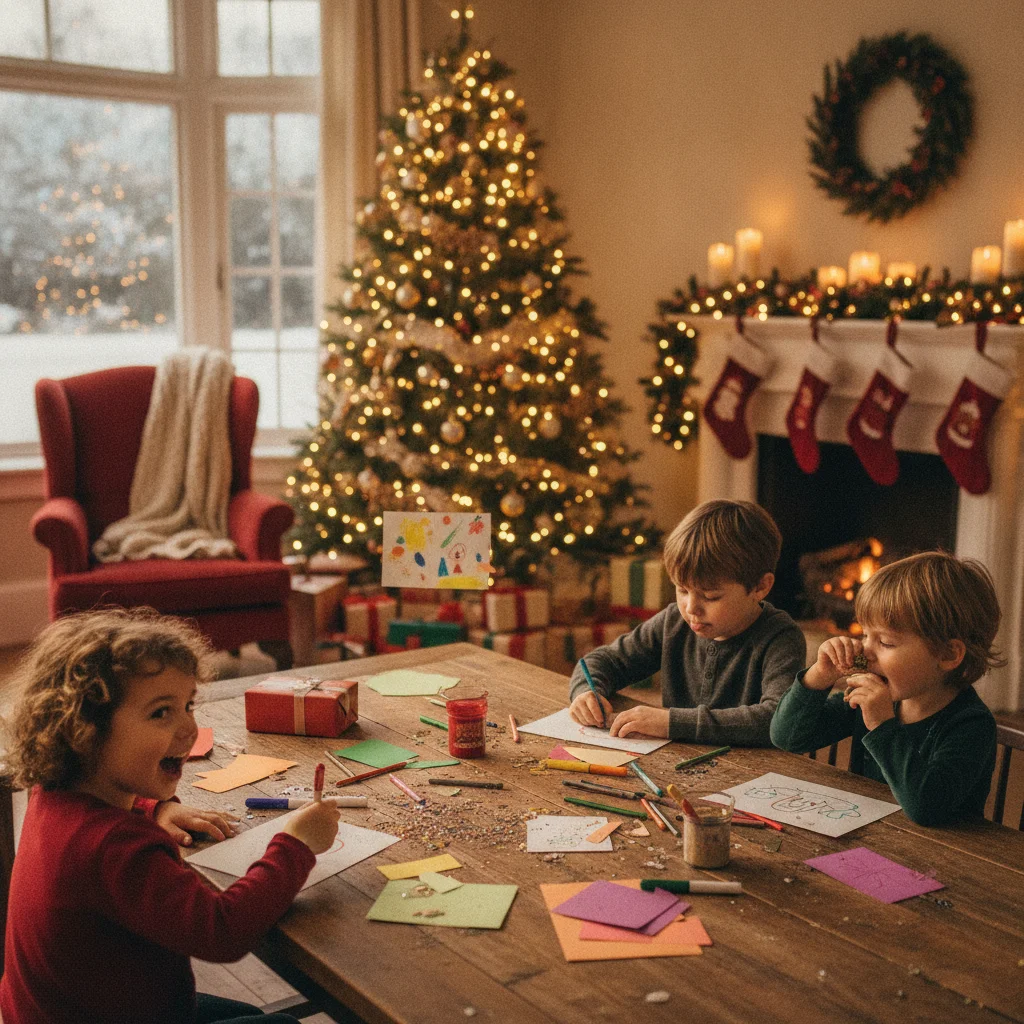
Quick answer: Christmas card messages from kids should sound warm, simple, and natural. Children can share a favorite memory, say why the recipient is special, or offer a cheerful holiday wish. Short examples include “Merry Christmas! I love you very much” and “I hope your Christmas is filled with cookies, presents, and happy times.”
A Christmas message written by a child can become one of the most meaningful parts of a holiday card. Children do not need polished language or a long note. A few honest words about love, gratitude, excitement, or a shared memory can make the card worth keeping.
Parents can help younger children choose a message, but the final wording should still sound like the child. Misspellings, unusual observations, and simple expressions often give children’s Christmas cards their charm.
What are some short Christmas card messages from kids?
Short messages work well for children who are learning to write or who need to sign several cards. A child can copy one of these greetings or use it as a starting point:
- Merry Christmas! I hope you have the best day ever.
- Sending you a big Christmas hug!
- I hope Santa brings you something fun.
- Have a happy Christmas filled with treats and smiles.
- Merry Christmas to someone I love very much.
- I hope your Christmas is merry, cozy, and bright.
- Thank you for making this year so special.
- Wishing you lots of Christmas magic!
- I love you more than Christmas cookies.
- Have a jolly Christmas and a happy New Year!
What can kids write to their parents?
A message for a parent can mention love, gratitude, family traditions, or something the child enjoys doing with that parent.
- Merry Christmas, Mom! Thank you for making Christmas feel magical.
- Dad, I love our Christmas movie nights and all the fun we have together.
- Thank you for giving me the best hugs and the happiest Christmases.
- Merry Christmas to the best parents in the whole world!
- I am glad I get to spend Christmas with you.
- Mom and Dad, you make every day feel special. I love you!
- My favorite Christmas present is being together as a family.
- Thank you for the cookies, decorations, stories, and love.
What should a child write to grandparents?
Grandparents often appreciate a message that names a favorite visit, tradition, meal, story, or activity. Children can also promise a holiday hug or say what they miss.
- Merry Christmas, Grandma! I cannot wait to give you a giant hug.
- Grandpa, Christmas is more fun when we celebrate together.
- I love baking Christmas treats with you.
- Thank you for your stories, hugs, and yummy food.
- I hope your Christmas is as wonderful as you are.
- Sending lots of love to the best grandparents ever!
- I miss you and wish we could build a snowman together.
- Merry Christmas! I am so lucky to be your grandchild.
What are good Christmas messages for teachers and friends?
Children can thank teachers for their help or tell friends what they enjoy about the friendship. The wording should remain friendly and age-appropriate.
- Merry Christmas to an amazing teacher. Thank you for helping me learn.
- I hope you have a relaxing Christmas break!
- Thank you for making our classroom a happy place.
- Merry Christmas to my awesome friend!
- I am glad we got to laugh and play together this year.
- I hope your holiday has games, treats, and lots of fun.
- You are a great friend, and I hope Santa is good to you.
- See you after Christmas for more adventures!
Can a Christmas message from a child be funny?
A funny message can mention Santa, reindeer, presents, food, or familiar family habits. Gentle jokes are best when the child is writing to a teacher or someone outside the immediate family.
- I hope Santa remembers where you live this year!
- Merry Christmas! Save some cookies for me and Santa.
- I tried to wrap your present, but the tape won.
- I hope your stocking is too heavy to lift.
- Have a tree-mendous Christmas!
- Santa says you have been pretty good.
- All I want for Christmas is another dessert.
- May your Christmas be less tangled than the lights.
How can adults choose a message for a child to write?
| Child’s age or ability | Helpful approach | Example |
|---|---|---|
| Preschooler | Ask the child to dictate one sentence. | I love you. Merry Christmas! |
| Early writer | Offer a short sentence to copy. | Have a fun and happy Christmas. |
| Confident writer | Use a prompt about a memory. | I loved decorating cookies with you. |
| Multiple children | Let each child add one line. | We love you and send Christmas hugs. |
An adult can ask, “What do you like about this person?” or “What would you like to do with this person at Christmas?” The child’s answer will usually produce a more personal message than a formal greeting.
How can kids make their Christmas messages more personal?
A child can name the recipient, mention a shared tradition, and finish with an affectionate sign-off. Specific details such as decorating the tree, reading holiday stories, visiting family, or eating a favorite dessert make the note feel original.
Children can also add a small drawing, a handprint, stickers, or a description of what they drew. Suitable sign-offs include “Love,” “Christmas hugs,” “Your favorite little elf,” and “Lots of love.”
What are the limitations of using sample messages?
Sample messages may sound too mature, generic, or formal for a particular child. Adults should avoid correcting every unusual phrase because the child’s natural voice is often what the recipient values most.
Children should not include private details such as a home address, school schedule, or travel plans in cards sent beyond trusted family and friends. Religious wording should also fit the family and the recipient.
The best Christmas card message from a child is brief, sincere, and recognizably theirs. Use these examples for inspiration, then let the child add a personal memory, joke, wish, or drawing.
This page on Christmas Card Messages From Kids is a practical reference, not a guarantee of print quality or delivery times. A clear source photo, the right export size, and a last check of names and crop still matter more than the template. Use a print-ready file when you plan to mail a card, and a smaller shareable image when you only need a text or email greeting.
When Sample Christmas Card Messages From Kids Are Enough—and When to Add Their Own Words
A ready-made Christmas card message from a child is enough for routine exchanges, while a close recipient deserves one sentence in the child’s own words. Use a sample unchanged when a young child is signing several classroom cards, does not know the recipient well, or needs wording they can comfortably copy. Add an original sentence for a parent, grandparent, close friend, teacher, or anyone connected to a specific memory.
Ask the child to name something they like about the person, remember doing together, or hope to do next year. Keep their natural phrasing, even if it sounds playful or imperfect. For children who cannot write independently, an adult can record the sentence exactly as dictated. There is no fixed age or number of cards that determines which approach is appropriate; the child’s comfort and relationship with the recipient are better guides.
Frequently asked questions
What is a simple Christmas message for a child to write?
“Merry Christmas! I hope your holiday is filled with love, fun, and lots of cookies” is simple, cheerful, and easy to copy.
Should parents write a Christmas card message for a young child?
Parents can write down the words that a young child dictates. Keeping the child’s original phrasing makes the message more personal.
How long should a Christmas card message from a child be?
One to three sentences is usually enough. A short message leaves room for a drawing, stickers, or the child’s signature.
What can a child write in a teacher’s Christmas card?
A child can thank the teacher for helping them learn and wish the teacher a happy holiday break. The message should be friendly and respectful.
Can siblings sign the same Christmas card?
Siblings can each add a short sentence or sign their names beneath one shared greeting. Different ink colors can make each contribution easy to recognize.
Is it acceptable for children to make spelling mistakes in Christmas cards?
Small spelling mistakes are often part of a child’s authentic voice and can make the card memorable. Adults can offer help when the child asks or when a word may be difficult to understand.
How do you personalize a Christmas card message from a child?
Add one detail that only the child and recipient would recognize. The child might mention baking cookies together, enjoying a class activity, loving a grandparent’s stories, or wanting another snow-day adventure. Keep the sentence short and preserve the child’s usual vocabulary rather than replacing it with polished adult wording.
What should a child write when they do not know the recipient well?
A child can use a brief, friendly wish without adding personal details. A suitable message can wish the recipient a merry Christmas, a relaxing holiday, or a happy New Year. This approach works for neighbors, classmates, family acquaintances, and group card exchanges where the child has little shared history with each person.