
Inclusive Christmas Card Ideas for Blended Families
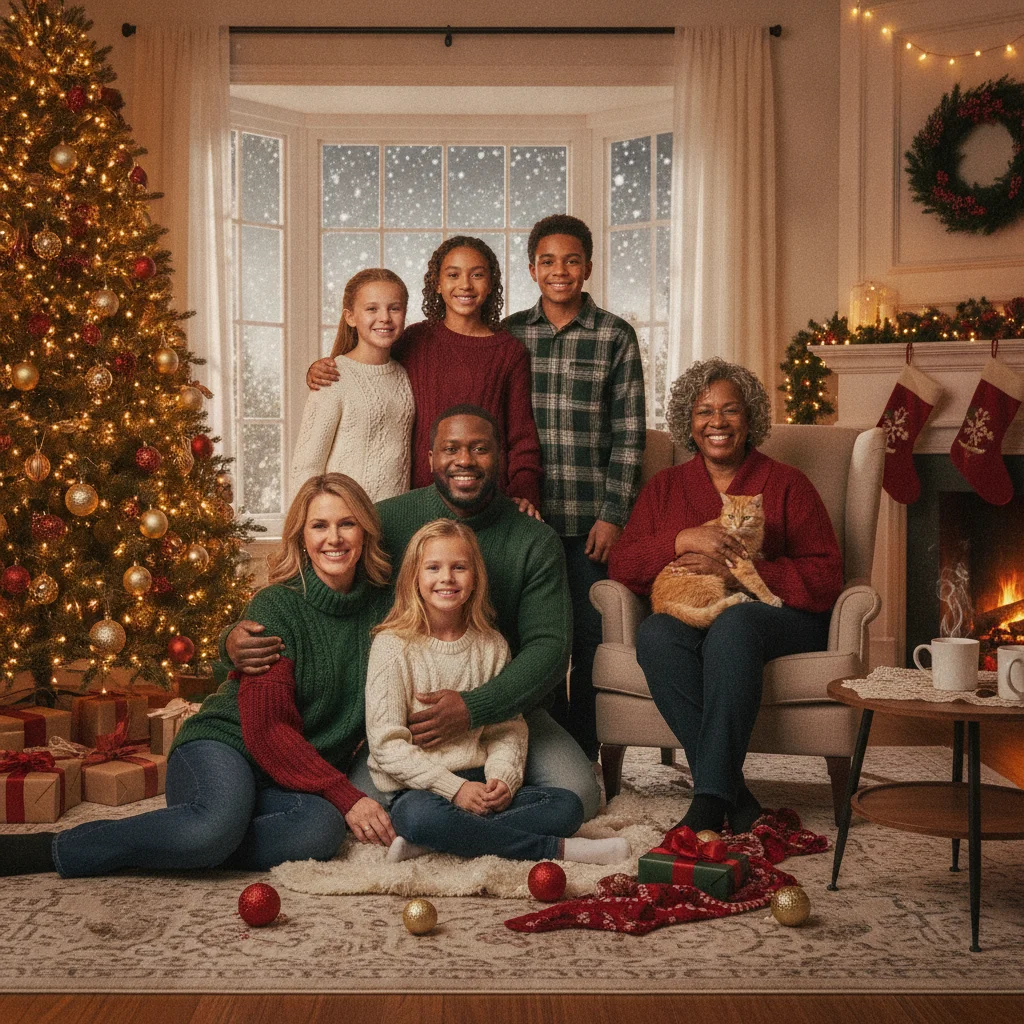
Quick answer: The best blended family Christmas cards make every family member feel equally represented. Use inclusive language, balanced photo arrangements, and a signature that reflects how your household identifies. Choose warmth over explanations, avoid labels such as “new family,” and include children, stepparents, co-parents, pets, or absent loved ones in ways that feel natural to your family.
A blended family Christmas card can celebrate connection without minimizing the different relationships, histories, and traditions within the household. The goal is not to make every family look conventional. The goal is to create a card that feels accurate, warm, and comfortable for the people pictured and named.
Before choosing a design, ask each family member what inclusion means to them. Children may have strong preferences about names, photos, titles, and whether stepsiblings or half-siblings are identified at all. A short conversation can prevent a well-intentioned card from making someone feel secondary.
What wording works best for a blended family Christmas card?
Simple, collective greetings usually work best. Phrases such as “From our family to yours,” “Christmas wishes from all of us,” and “Sending love from our home” include everyone without explaining the family structure.
A blended family does not need to announce that it is blended. If the family wants to acknowledge its journey, positive wording can focus on shared love and growing traditions rather than describing one household as a replacement for another.
- Wishing you joy from our whole crew.
- Merry Christmas from all of us under one roof.
- Celebrating love, laughter, and family this Christmas.
- Warm holiday wishes from our beautifully mixed bunch.
- Different stories, one loving family.
- Grateful for the traditions we share and the memories still to come.
How should a blended family sign the card?
The signature should match the names family members use in daily life. A shared surname is not required. First names are often the clearest and most inclusive choice, especially when adults or children have different last names.
| Family situation | Possible signature |
|---|---|
| Several surnames | With love, Maya, Chris, Leo, Ava, and Sam |
| One shared household name | Love, the Carter-Ramirez family |
| Casual card style | Merry Christmas from the whole crew |
| Adult children included | With love from Jen, Alex, and the family |
| Family pets included | Love, Nora, Eli, Max, June, and Pepper |
Avoid assigning family members different levels of importance through formatting. For example, placing a couple’s names prominently and adding children in tiny text can feel unequal. Use consistent type size and list names in an agreed order, such as adults followed by children, alphabetical order, or age order.
What photo ideas help everyone feel included?
A relaxed group photo often feels more natural than a formal lineup. Families can decorate a tree, bake cookies, walk outdoors, play a game, or sit together in a familiar room. Shared activity gives everyone something to do and reduces pressure around poses.
A collage is useful when schedules, custody arrangements, travel, or distance make one group photograph difficult. Give each person a similarly sized image rather than making one household grouping the obvious centerpiece. A collage can also include adult children, grandparents, or relatives who remain part of the family story.
- Create one large candid photograph with everyone interacting.
- Use equal-sized portraits arranged in a simple grid.
- Pair photos from different seasonal activities in one collage.
- Let children contribute drawings, handwritten names, or short wishes.
- Include pets naturally rather than using them to fill an empty space.
- Choose coordinated colors instead of requiring identical outfits.
How can two households be represented respectfully?
Children may celebrate Christmas in more than one home. Card wording should not imply that only one household is their real family. Neutral phrases such as “our family,” “our Christmas memories,” or “sending love from all of us” are usually safer than claims about finally being complete.
Some co-parents may choose separate cards, while others may be comfortable with a shared collage or a photograph from a school event. Neither approach is inherently better. The right choice depends on boundaries, relationships, and the child’s comfort.
Always obtain permission before including a co-parent, a child who lives elsewhere, or someone else’s photograph. Older children and teenagers should have a meaningful say in which image is used.
Which design themes suit blended families?
A design does not need special blended-family graphics to be inclusive. Minimal typography, winter greenery, illustrated houses, handwritten details, and photo grids all work well. Choose a format with enough room for every name and avoid squeezing additional family members into an afterthought.
Humorous concepts can also work when everyone approves. Ideas include “Merry Christmas from the organized chaos,” a movie-poster-style cast list, or a recipe card that lists each person as an ingredient. Humor should celebrate shared life rather than target a stepparent, ex-partner, or child’s living arrangements.
Best overall approach: Use a collective greeting, equal visual space, and the names each person prefers. A card feels inclusive when nobody needs an explanation for why they appear smaller, later, or differently labeled.
What limitations should families consider?
No single Christmas card can represent every relationship or household tradition. A photograph captures one moment, not the full family structure. Separate cards, rotating photo selections, or a card without people may be more comfortable in years when schedules or relationships are complicated.
Privacy also matters. Some children cannot have their images shared broadly, and some relatives may not want a family update distributed online. Confirm the mailing list, social sharing plans, names, and photographs before ordering or posting the finished card.
When Blended Family Christmas Card Ideas Feel Considered Rather Than Generic
Blended family Christmas card ideas look considered when every family member receives intentional, balanced recognition rather than being fitted into a standard family template. Use a layout with comparable photo size, name placement, and visual emphasis for each adult and child. Choose images that show a genuine shared tradition, such as decorating together, alongside separate portraits when schedules or households make one group photo impractical. Wording should reflect how the family actually describes itself and avoid explaining relationships that recipients already understand. A card can feel generic when one household dominates, newer family members appear added as an afterthought, or a conventional surname is used without everyone’s agreement. There is no universal formula for equal representation; ages, preferences, custody arrangements, and privacy needs determine what balance looks like for each family.
Frequently asked questions
What should a blended family write in a Christmas card?
Collective wording such as “From our family to yours” or “Christmas wishes from all of us” includes everyone without explaining family roles.
How do you list different last names on a family Christmas card?
List each person by first name or use a combined family name only if everyone is comfortable with it. Consistent formatting helps every name carry equal weight.
Should stepchildren be identified as stepchildren on a Christmas card?
Stepchildren usually do not need a separate label unless they prefer it or the wording requires clarification. Using each child’s name is warmer and more natural.
Can a blended family use separate photos on one card?
A balanced collage is a practical choice when family members cannot be photographed together. Equal image sizes prevent one household or relationship from appearing more important.
How can a Christmas card include children who live in two homes?
Use neutral family language and include the children with their permission. Avoid wording that suggests one household is their only real home.
Is it appropriate to include a co-parent in the card?
A co-parent can be included when everyone involved agrees and the choice respects current boundaries. Permission should be obtained before using a name or photograph.
What is a good funny caption for a blended family card?
Captions such as “Merry Christmas from the organized chaos” or “One crew, many traditions” keep the humor focused on shared family life.
How do you make a blended family Christmas card feel personal?
Make the card personal by building it around a real family custom, shared memory, or phrase everyone recognizes. Include names in a consistent format and select photos that reflect genuine connections rather than staged roles. Before finalizing it, ask older children and adults whether the wording and image choices feel accurate and comfortable.
Should every child have the same amount of space on a blended family Christmas card?
Every child should receive comparable visual importance, although the exact space does not need to be mathematically equal. Similar photo sizes, consistent name styling, and balanced placement help prevent anyone from appearing secondary. If one child prefers privacy or lacks a suitable photo, use an agreed alternative such as a name, illustration, or meaningful symbol.