
Christmas Card Message for In-Laws From Kids
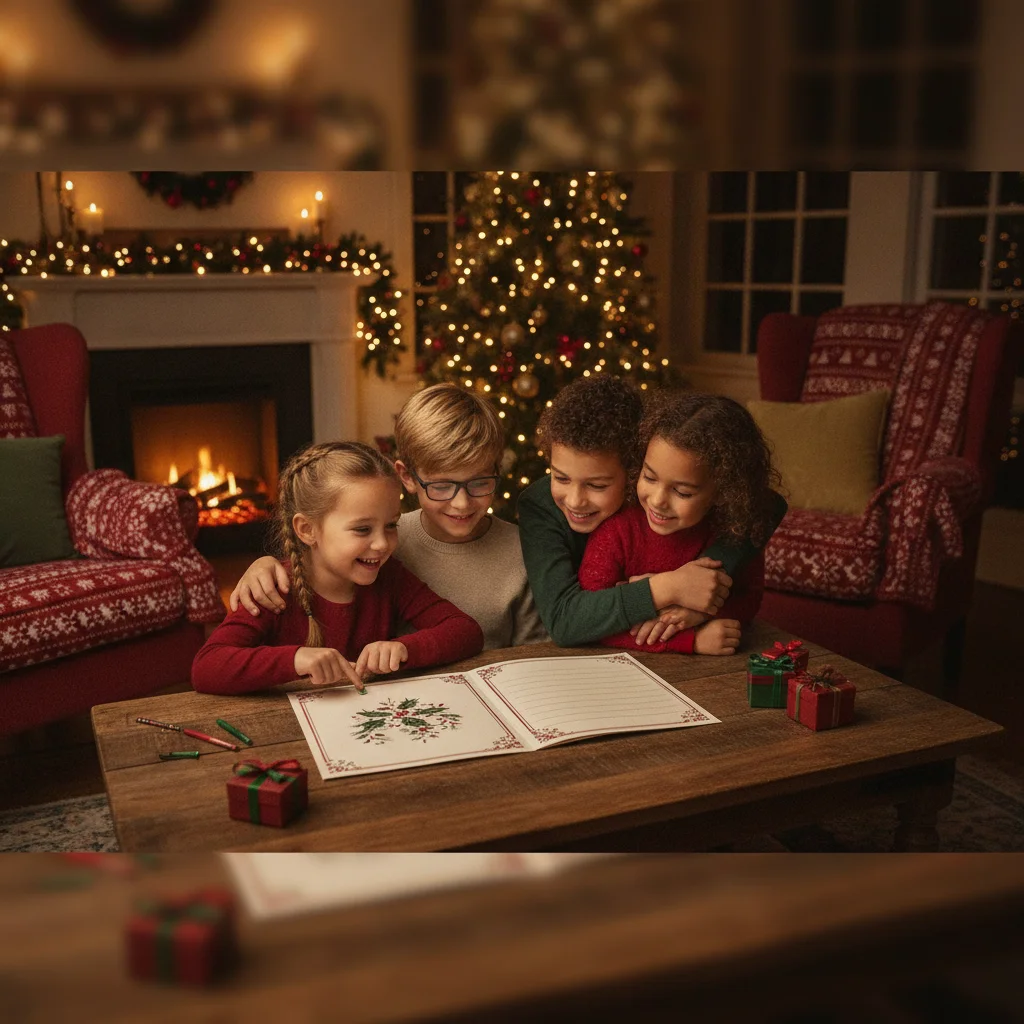
Quick answer: A Christmas card message from kids to in-laws should sound warm, simple, and natural for the children’s ages. Children can thank Grandma and Grandpa for happy memories, mention a favorite family tradition, or share excitement about celebrating together. Parents may write the message for younger children and let each child sign, draw, or add a short personal line.
When children send a Christmas card to their parents’ in-laws, the recipients are usually Grandma and Grandpa, although families may use names such as Nana, Papa, Gran, or Grandad. The best message reflects that relationship rather than sounding like a formal greeting between adults.
Young children can share a short expression of love, while older children can mention a memory, tradition, or quality they appreciate. If several children are signing one card, parents can choose a shared message and add one small contribution from each child.
What should kids write in a Christmas card to their grandparents?
A good message includes a Christmas wish, an affectionate thought, and a sign-off that feels natural. Children do not need to write a long paragraph. One or two sincere sentences often feel more personal than an elaborate greeting.
The child’s age can guide the tone and length:
| Child’s age | Suitable style | Example |
|---|---|---|
| Toddler or preschooler | Very short and loving | Merry Christmas, Nana and Papa! I love you! |
| Elementary age | Warm with a specific detail | I love making Christmas cookies with you. |
| Teenager | Personal and appreciative | Thank you for always making our family celebrations special. |
What are some short Christmas messages from young children?
- Merry Christmas, Grandma and Grandpa! We love you so much.
- We hope your Christmas is full of hugs, cookies, and fun.
- Sending big Christmas hugs to the best grandparents ever!
- We cannot wait to celebrate Christmas with you.
- Merry Christmas to our wonderful Nana and Papa.
- Thank you for making Christmas extra special for us.
- We love you more than all the presents under the tree.
- Hope Santa brings you everything on your list!
- Christmas is happier because we have you.
- Have a jolly Christmas from your favorite little elves.
Which heartfelt messages can children send?
- Merry Christmas to two very special grandparents. Thank you for filling our lives with love, laughter, and happy memories.
- We feel lucky to have grandparents who care for us, encourage us, and always make time for us. We love you.
- Christmas reminds us how thankful we are for our family. We are especially thankful for both of you.
- Thank you for every story, cuddle, treat, and adventure. We hope your Christmas is as wonderful as you are.
- Our favorite Christmas gift is having loving grandparents like you. Merry Christmas from all of us.
- May your Christmas be filled with the same happiness and kindness that you give our family all year.
What funny Christmas wishes work well from kids?
- Merry Christmas! We promise we have been good, or at least good enough for presents.
- Grandma and Grandpa, please save us some Christmas cookies. Mom and Dad cannot be trusted with them.
- We asked Santa to bring you peace and quiet. Then we remembered we are visiting!
- Have a tree-mendous Christmas from your little ornaments.
- Thanks for being the grandparents who always know where the good snacks are hidden.
- Merry Christmas from the kids who put the “loud” in family celebrations!
What can older children and teenagers write?
- Merry Christmas, Grandma and Grandpa. I am grateful for your advice, support, and all the good times we share.
- Thank you for always being interested in what I am doing and encouraging me to keep trying. Have a wonderful Christmas.
- Some of my favorite memories come from Christmases spent with you. I hope we make many more this year.
- I may be getting older, but I will never be too old for your stories, cooking, and Christmas hugs.
- Wishing you both a peaceful Christmas. Thank you for being such an important part of my life.
How can parents personalize a message written from the kids?
Include one detail that belongs to the family. A child might mention decorating the tree at Grandma’s house, watching a favorite film with Grandpa, opening stockings together, or enjoying a traditional Christmas meal.
Parents can ask each child to finish a simple prompt such as “I love when we…” or “My favorite memory with you is….” Writing the children’s exact answers preserves their personalities, including sweet or amusing phrasing.
A handprint, drawing, sticker, or handwritten name can make a parent-written card feel genuinely connected to a younger child. Older siblings can write separate lines beneath the shared family greeting.
How should children sign the Christmas card?
Children can sign individually using first names, nicknames, or their own handwriting. Suitable shared sign-offs include “Lots of love from your grandchildren,” “Christmas hugs from all of us,” and “Love from your little elves.”
If the card is from the whole household, place the children’s names first when the main message is presented as being from them. Parents can add their names afterward without changing the child-focused tone.
What limitations should parents keep in mind?
Not every family uses traditional grandparent titles or has the same level of closeness. Replace “Grandma and Grandpa” with the recipients’ preferred names, and avoid highly emotional wording if it does not fit the relationship.
Parents should also avoid making a young child’s message sound unusually formal. Simple language, a specific memory, and the child’s own signature generally create a more believable and meaningful Christmas card.
Best approach: Choose a short message that matches the children’s ages, add one real family detail, and let every child contribute a name, drawing, or personal sentence.
What Can a Child Write to In-Laws, and What Should a Parent Add?
Let the child supply the part that reflects their relationship with their grandparents: a favorite shared memory, something they enjoy doing together, or a detail they want to share about Christmas. Keep unusual wording if it is understandable, since polishing every sentence can erase the child’s voice. A parent can add a separate sentence thanking the in-laws for their care, visits, traditions, or support during the year. The parent should also clarify any dictated words that might otherwise be confusing. Avoid placing adult family sentiments, promises, or unresolved tensions in the child’s message. If the child barely knows the grandparents, focus on a warm seasonal wish rather than claiming closeness. Sign the parent’s addition separately so readers can tell who expressed each thought.
Frequently asked questions
What is a simple Christmas card message from kids to grandparents?
“Merry Christmas, Grandma and Grandpa! We love you and cannot wait to celebrate with you” is a simple, affectionate choice.
Can parents write a Christmas card message on behalf of young children?
Parents can write for babies and young children, then add a handprint, drawing, sticker, or child-written signature.
Should children call in-laws Grandma and Grandpa in the card?
Children should use the names or family titles they normally use, such as Nana, Papa, Gran, Grandad, or first names.
How long should a Christmas message from kids be?
One to three sentences is usually enough. A short, specific message feels warmer than a long formal greeting.
What can multiple children write in one Christmas card?
The children can use one shared greeting and each add a short personal sentence, drawing, or signature.
How can a teenager make the message sound sincere?
A teenager can thank the grandparents for their support or mention a favorite memory instead of using childish or overly sentimental wording.
Can a message from kids be funny?
A gentle joke about cookies, presents, Santa, or a noisy family visit works well when it suits the grandparents’ sense of humor.
Should parents add their own note to a Christmas card from kids to in-laws?
Yes, parents can add a short note in their own voice. The child’s section can focus on memories or affection, while the parent thanks the in-laws for their role as grandparents. Signing the two parts separately prevents an adult-sounding sentiment from being mistaken for the child’s words.
How can a child’s Christmas message to grandparents sound natural?
Use the child’s actual vocabulary and ask one specific question about the grandparents. A prompt about a visit, meal, game, or family tradition often produces a more natural thought than asking for a formal holiday greeting. Correct unclear spelling if needed, but retain the child’s phrasing and level of enthusiasm.
What can kids write to grandparents they do not see often?
Kids can offer a warm Christmas wish and mention one genuine point of connection. That might be a recent phone call, a gift they enjoyed, a story they have heard, or an activity they hope to share. Parents should avoid making the child claim a closeness that has not developed.